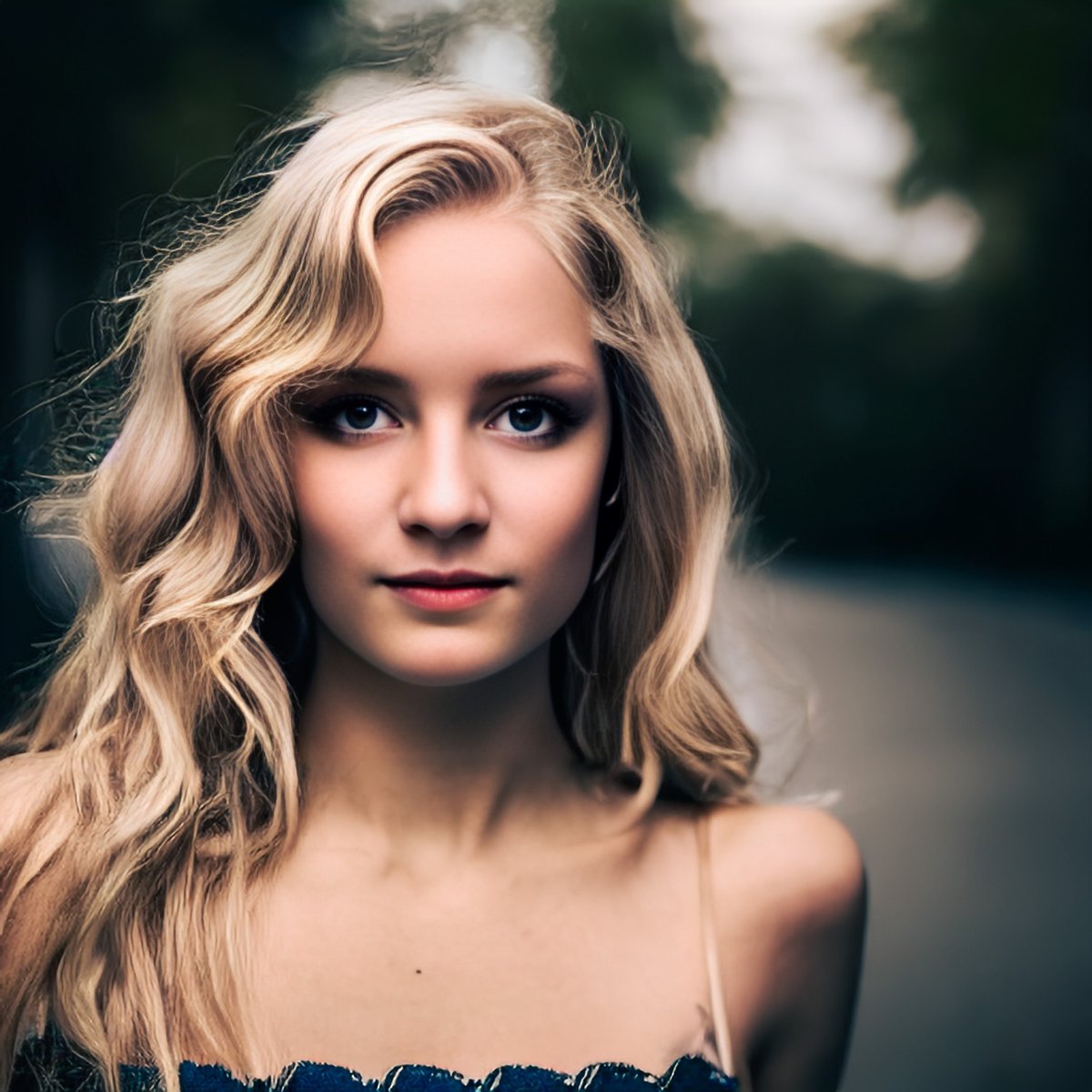
The world of AI image generation has exploded, transforming from a niche tech curiosity into an indispensable tool for everyone from hobbyists to professional designers. Yet, with innovation comes overwhelming choice. Navigating the landscape of options, each with its own strengths and quirks, can feel like a labyrinth, making Choosing the Best AI Image Generator for Specific Needs a genuine challenge. You’re not just looking for a tool that makes pretty pictures; you need the right partner for your unique creative journey, whether that’s crafting photorealistic marketing assets, experimenting with abstract art, or generating complex scenes for a story.
Forget the days of pixelated oddities; today's AI tools deliver stunning, detailed, and often indistinguishable results from human-made art. The technology is advancing at a breathtaking pace, becoming more intuitive, more affordable, and incredibly sophisticated. But the "best" tool isn't a one-size-fits-all answer. It's about aligning a generator's capabilities with your specific project, budget, and desired level of control.
At a Glance: Your Quick Guide to AI Image Generators
- No Single "Best": The ideal tool depends entirely on your needs—what kind of images, for what purpose, and your comfort level with complexity.
- Most Are Web-Based: You generally only need a stable internet connection and a modern browser, not powerful hardware.
- User-Friendly: Most tools prioritize ease of use, letting you generate images with simple text prompts. No deep technical skills required.
- Commercial Use is Common: Many services allow commercial use, but always double-check their specific terms of service.
- Rapid Evolution: What's cutting-edge today might be standard tomorrow. Keep an eye on updates and new features.
- Free Tiers Available: Many offer free usage, though often with limitations on image count or access to premium features.
- Privacy Matters: Reputable services use encryption and secure protocols, generally not sharing your creations without permission.
Why the Right Tool Matters: Beyond Just "Making Pictures"
The proliferation of AI-generated content has made one thing clear: quality and intent matter more than ever. While many services offer free AI image creation, restrictions on image count or access to advanced models (like Gemini's Nano Banana Pro having a cap before downgrading to Nano Banana) often push serious creators towards higher-tier options. Crafting optimal results frequently requires multiple generations, prompt tweaking, and sometimes specialized services.
Think about it: generating a photorealistic interior design mock-up is a vastly different task from creating a multi-panel comic strip with specific dialogue. One demands precision and adherence to real-world physics; the other requires narrative flow and character consistency. The "wrong" tool might frustrate you with irrelevant outputs, consume valuable credits, or simply lack the specific features you need, like the ability to localize edits rather than regenerating an entirely new image. Understanding the nuances between tools is your superpower in this new creative landscape.
How We Evaluate AI Image Generators
To truly understand which tools excel, a systematic approach is crucial. When we assess these platforms, we typically look at several key areas, similar to methodologies employed by industry leaders like PCMag and Piktochart:
- Photorealism & Detail: Can the generator create images that look like real photographs? We test this with prompts for basic scenes, like a detailed home interior, assessing textures, lighting, and natural appearance.
- Complexity & Consistency: How well does the AI handle intricate requests? This includes multi-panel comics with a twist, or scenes with many interacting elements, like Piktochart's detailed picnic scene prompt: "A diverse group of people of various ages, genders, and backgrounds at a picnic, laughing and playing in a city park on a sunny day. The background should feature children playing, birds in flight, and a pond reflecting the clear blue sky. Include subtle details like a butterfly landing, a kite in the distance, and dappled sunlight filtering." We evaluate how consistently it maintains specific elements across generations.
- Text Integration: Can the AI seamlessly integrate legible and contextually appropriate text into images, such as labels on a diagram or signs? This is a significant challenge for many models.
- Image Editing Capabilities: Beyond initial generation, can the tool effectively edit existing images? This means localizing changes without distorting the rest of the picture, like adjusting a specific object's color or adding an element to a particular area.
- Prompt Versatility & Style Range: How responsive is the AI to diverse prompts? Can it produce images in a wide array of artistic styles, from abstract and painterly to hyper-realistic and futuristic?
- User Experience & Speed: Is the interface intuitive? How quickly does the AI generate results? Is the process smooth or does it involve complex menus and settings?
By applying these criteria, we aim to provide a clear picture of each generator's strengths and weaknesses, helping you make an informed choice.
Finding Your Perfect Match: Key Considerations Before You Choose
Before diving into specific tools, take a moment to consider what truly matters for your creative endeavors. Asking yourself these questions will help narrow down the field considerably:
1. What's Your Primary Goal?
- Photorealism: Do you need images that look like actual photographs for marketing, product mock-ups, or realistic character design?
- Artistic Expression: Are you looking for unique art styles, abstract visuals, or painterly effects?
- Commercial Assets: Are you creating images for your business, social media, presentations, or website?
- Personal Fun/Experimentation: Is it purely for creative exploration, profile pictures, or hobby projects?
- Video Generation: Do you need to turn text or images into dynamic video content?
- Specific Image Editing: Are you more interested in modifying existing images or facial expressions?
2. How Much Control Do You Need?
- Simple Prompts: Do you prefer a straightforward text-to-image experience with minimal fuss?
- Advanced Customization: Do you want granular control over parameters like image size, prompt matching, diffusion model steps, or the number of images generated?
- In-painting/Out-painting: Is the ability to expand an image or fill in missing parts crucial for your workflow?
3. What's Your Budget?
- Free Tiers: Many excellent tools offer free usage, though often with limitations.
- Credit-Based Systems: Some tools operate on credits, which you purchase. Consider your likely usage volume.
- Subscription Models: For heavy users, a monthly or annual subscription might be more cost-effective.
4. What's Your Technical Comfort Level?
- Web-Based & Intuitive: Most generators are designed for ease of use, requiring no specific technical skills.
- Discord-Based: Some powerful tools, like Midjourney, operate primarily through platforms like Discord, which might have a slight learning curve if you're unfamiliar.
5. Do You Need Commercial Rights and Privacy Assurance?
- Ownership: Ensure the terms of service explicitly grant you ownership and commercial rights to your generated images if you plan to use them professionally.
- Data Security: While most services prioritize data security through encrypted storage, it's always wise to review their privacy policies. They generally don't share creations without user permission.
6. Is Community Support Important?
- Active Forums: An engaged community can be invaluable for learning tips, troubleshooting, and staying updated. For many, finding the best AI image generators Reddit discussions and community insights is a critical step in their decision-making process.
The Contenders: Best AI Image Generators for Specific Needs (as of 2025-2026)
Let's break down the leading AI image generators by their sweet spots, helping you pinpoint the perfect tool.
For Ultra-Realistic Images & Artistic Flair (The Visionaries)
These tools are often at the forefront of generating stunning, lifelike visuals and pushing the boundaries of artistic styles.
- Midjourney:
- Best For: Photorealistic AI art, diverse artistic styles, crisp high-definition visuals.
- Key Features: Renowned for rapid advancements and producing breathtaking, often cinematic, imagery. It operates primarily through Discord, which adds a unique community-driven aspect to its use.
- Considerations: Discord interface can be a hurdle for some; focus is heavily on artistic output rather than integrated editing.
- DALL-E 3 (OpenAI):
- Best For: Crafting detailed, lifelike images from text prompts, seamless text integration.
- Key Features: A frontrunner known for swift responses, myriad styles, and user-friendly interface. Its ability to accurately render text within images is a standout feature. Often integrated into other platforms like Bing Image Creator and ChatGPT.
- Considerations: Excellent general-purpose generator, but might not offer the same hyper-stylized options as Midjourney for certain niche artistic aesthetics.
- Google's Gemini / OpenAI's ChatGPT:
- Best For: Accuracy, detail, and conversational prompting.
- Key Features: Both were PCMag favorites in 2026 for their ability to interpret complex prompts with high accuracy and attention to detail. Their integration with conversational AI models makes prompt refinement incredibly intuitive.
- Considerations: Primarily accessed through their respective chat interfaces, which is excellent for iterative design but might lack standalone image editing features found in dedicated art apps.
For Seamless Integration into Creative Workflows (The Professionals)
These platforms are designed to fit into existing design processes, often as part of larger creative suites.
- Adobe Photoshop (Firefly):
- Best For: Elevating and integrating AI-generated images directly into professional photo editing workflows.
- Key Features: Firefly brings powerful generative AI capabilities directly into Photoshop, allowing for sophisticated in-painting, out-painting, and content generation within a familiar environment. It respects selection masks and existing layers, making it invaluable for designers.
- Considerations: Requires an Adobe Creative Cloud subscription; best utilized by those already familiar with Photoshop.
- Canva AI:
- Best For: Creating a range of photorealistic images as part of a broader design suite.
- Key Features: Powered by Stable Diffusion, Canva's "Magic Studio" makes AI image generation accessible within its incredibly popular, user-friendly design platform. Ideal for adding custom visuals to presentations, social media graphics, and marketing materials.
- Considerations: While powerful, it's designed to be part of Canva's ecosystem, so standalone use might be less robust than dedicated generators.
- Piktochart AI Image Generator:
- Best For: Professional marketing assets, infographics, and presentation visuals.
- Key Features: Part of Pikto AI Studio, it creates images from text, allows generating alternatives and style tweaking with the AI Image Modifier, and integrates seamlessly with Piktochart's infographic creation tools. Free upon signup.
- Considerations: Optimized for business and marketing content; less focused on experimental or niche art styles.
- Shutterstock AI Image Generator:
- Best For: Commercial projects, stock imagery, and varied image styles with licensing assurance.
- Key Features: Offers a vast treasure trove of image styles and customization options, suitable for both personal and commercial projects. Crucially, images generated here often come with commercial licenses, providing peace of mind for business users.
- Considerations: Credit-based system; best for users who frequently need commercial-ready images.
For Beginners & Casual Creators (The Accessible Explorers)
These tools prioritize ease of use and often offer free entry points for anyone curious about AI art.
- Bing Image Creator (Microsoft):
- Best For: Simple, user-friendly image creation, integrated with conversational AI.
- Key Features: Uses the DALL-E 3 model, making it incredibly powerful, but its integration with Bing Chat (now Copilot) makes it remarkably easy to use. Just type your request into the chat and watch it generate.
- Considerations: Excellent for quick, high-quality generations, but advanced editing features are limited to external tools.
- Google ImageFX:
- Best For: Quickly generating images from text prompts, exploring variations easily.
- Key Features: Features "expressive chips" which allow users to explore variations on parts of their prompt without having to retype everything. It also includes SynthID watermarking for responsible AI-generated content and is free to access.
- Considerations: A relatively newer contender, primarily focused on fast iteration and exploration.
- Craiyon (formerly DALL-E mini):
- Best For: Experimental, sometimes surprising, and often humorous results.
- Key Features: A text-to-image generator known for producing varying, sometimes unexpected, outputs. It's a fun tool for quick, low-stakes experimentation.
- Considerations: Image quality can be inconsistent; not suitable for professional or high-fidelity needs.
For Advanced Control & Customization (The Power Users)
When you need to dial in every parameter and have ultimate control over your output, these tools deliver.
- Dream Studio (Stable Diffusion):
- Best For: Highly customizable images, fine-tuning generation parameters, in-painting, and out-painting.
- Key Features: An AI-powered platform that offers advanced control over size, prompt matching, diffusion model steps, and the number of images generated. It’s excellent for users who want to experiment with different models and precisely control the output, using a credit-based system.
- Considerations: The wealth of options can be overwhelming for beginners; best for those who understand AI art parameters.
- Deep AI:
- Best For: Exploring AI-powered creativity with a range of models.
- Key Features: Launched in 2016, Deep AI offers various AI tools, including text-to-image. It allows users to experiment with different algorithms and styles, often focusing on core AI capabilities.
- Considerations: Interface might be less polished than newer, more commercially focused tools; best for technical users or those exploring fundamental AI art.
For Video Generation & Dynamic Content (The Animators)
When still images aren't enough, these tools bring your ideas to life in motion.
- Runway AI (RunwayML):
- Best For: Crafting videos from video, image, or text input.
- Key Features: With flagship models Gen-1 and Gen-2, Runway is a pioneer in AI video generation. It can transform existing footage, generate new clips from images, or create entirely new scenes from text prompts, making it powerful for filmmakers and content creators.
- Considerations: Video generation is more resource-intensive and complex than still images; steep learning curve for advanced features.
For Unique Artistic Styles & Abstract Art (The Innovators)
If you're chasing truly distinctive, non-photorealistic aesthetics, these generators excel.
- NightCafe AI:
- Best For: Creatives exploring neural style transfer and unique artistic styles, daily art generation.
- Key Features: Users can generate up to 28 artworks daily in various styles and own their creations. It blends text-to-image with advanced style transfer, making it ideal for artists looking for distinct aesthetics.
- Considerations: While versatile, the focus is on stylistic art rather than strict photorealism.
- Wombo Dream:
- Best For: Abstract and unique artistry, quick stylistic explorations.
- Key Features: Recommended for those interested in abstract and unique artistry. It's known for its ability to quickly generate aesthetically pleasing, often surreal, images from simple prompts and style selections.
- Considerations: Less control over specific details; best for experimental and abstract outputs.
- StarryAI:
- Best For: Automatic AI image generation, turning images into NFTs, full ownership.
- Key Features: Utilizes machine learning, grants users full ownership of generated images, and offers Android and iOS apps. It's particularly popular for those looking to create unique digital art or NFTs.
- Considerations: Focus on automatic generation means less manual control over the process compared to platforms like Dream Studio.
For Specific Niche Tasks (The Specialists)
Sometimes, you need a tool that does one thing exceptionally well.
- Expression Editor AI:
- Best For: Facial expression editing and animation in portraits/selfies.
- Key Features: A specialized tool that allows precise adjustments to eyes, mouth, and head angles in portraits, making it invaluable for photographers, artists, or anyone needing to fine-tune expressions in existing images.
- Considerations: Highly specialized; not a general-purpose image generator.
Beyond the Basics: Navigating Privacy, Commercial Use, and Responsible AI
As AI image generation becomes more prevalent, it's essential to understand the broader implications and common questions surrounding its use.
Privacy and Security: Your Creations Are Yours (Mostly)
Most reputable AI image generation services prioritize data security. They generally employ encrypted storage and secure data transfer protocols to protect your prompts and generated images. Crucially, they typically do not share your creations without your explicit permission. However, always review the terms of service for each platform you use, especially if you're dealing with sensitive content or intellectual property.
Hardware/Software Requirements: Cloud-Powered Magic
One of the great advantages of modern AI image generators is their accessibility. The vast majority are web-based, meaning you don't need a super-powerful gaming PC or hefty software downloads. All you really need is a stable internet connection and a modern web browser. The heavy lifting of image generation happens on the service provider's cloud servers, not on your local machine.
Commercial Use: Read the Fine Print!
Yes, images generated by AI can typically be used for commercial purposes. This is a game-changer for businesses, marketers, and content creators. However, this is perhaps the single most important "check the terms of service" point. Rules vary widely:
- Some platforms, like Shutterstock AI Image Generator, are built with commercial licensing in mind and provide clear rights.
- Others might require attribution to the AI model or the platform.
- Free tiers might have stricter limitations on commercial use than paid subscriptions.
- Certain types of content (e.g., brand logos, copyrighted characters) might have additional restrictions regardless of the tool.
Always verify the specific terms of the service you're using before incorporating AI-generated images into commercial projects.
Generating Images of Real People & NSFW Content: Proceed with Caution
- Real People: It is possible to generate images resembling real people, but services vary significantly in their restrictions. Platforms like Copilot (Bing Image Creator) often refuse prompts that request images of specific public figures for ethical and safety reasons. Others, like Grok (an option on some lists), might be less restrictive. Users are strongly cautioned against using this functionality for harassment, spreading misinformation, or creating deepfakes without consent. Ethical AI use is paramount.
- NSFW Images: Yes, NSFW (Not Safe For Work) images can be generated. Again, platform policies differ. Many mainstream AI image generators have built-in filters to prevent the creation of explicit content. However, dedicated NSFW AI image generation services exist and are likely a better bet if that's your specific need. Always be aware of local laws and ethical guidelines regarding such content.
Your First Prompt: Tips for Getting Started
Once you've chosen a generator, here's how to maximize your results:
- Be Specific, But Not Overly Restrictive: Describe what you want in detail: subject, setting, style, mood, lighting, colors.
- Instead of: "Dog."
- Try: "Golden retriever puppy playing in a sun-dappled field, happy, hyperrealistic, golden hour lighting, depth of field."
- Experiment with Keywords: Try different adjectives, artists' names ("in the style of Van Gogh"), art movements, or photography terms ("cinematic, bokeh, macro").
- Iterate and Refine: Your first output might not be perfect. Adjust your prompt, add or remove elements, or try different styles until you get closer to your vision.
- Use Negative Prompts (If Available): Some advanced tools allow you to specify what you don't want to see (e.g., "ugly, distorted, blurry").
- Leverage Expressive Chips/Variations: Tools like Google ImageFX offer "expressive chips" to quickly explore variations of elements within your prompt. Use them!
The Road Ahead: What to Expect from AI Image Generation
The landscape of AI image generation is anything but static. Expect continued rapid advancements in several areas:
- Increased Realism & Consistency: AI models will become even better at generating photorealistic images and maintaining consistent characters, objects, and styles across multiple generations or within video.
- Enhanced Control: Users will likely gain even finer-grained control over specific elements within an image, allowing for more precise artistic direction.
- Multimodal Integration: Seamless blending of text, image, and video generation within single platforms will become more common, breaking down creative silos.
- Ethical AI & Watermarking: Expect more widespread adoption of watermarking (like Google's SynthID) and robust content moderation to combat misinformation and promote responsible AI use.
- Personalization: AI models might learn your personal style and preferences over time, offering more tailored suggestions and outputs.
Making Your Final Choice: A Recap & Next Steps
Choosing the best AI image generator for your specific needs isn't about finding a mythical "perfect" tool; it's about finding the right tool for you. Start by clarifying your goals, budget, and desired level of control. Then, explore the platforms that align with those needs. Many offer free trials or tiers, so don't hesitate to experiment with a few before committing.
Whether you're aiming for the hyperrealism of Midjourney, the integrated power of Adobe Firefly, or the accessible creativity of Bing Image Creator, a fantastic AI image generator awaits. Dive in, experiment, and unleash your visual imagination. The future of content creation is here, and it's remarkably accessible.